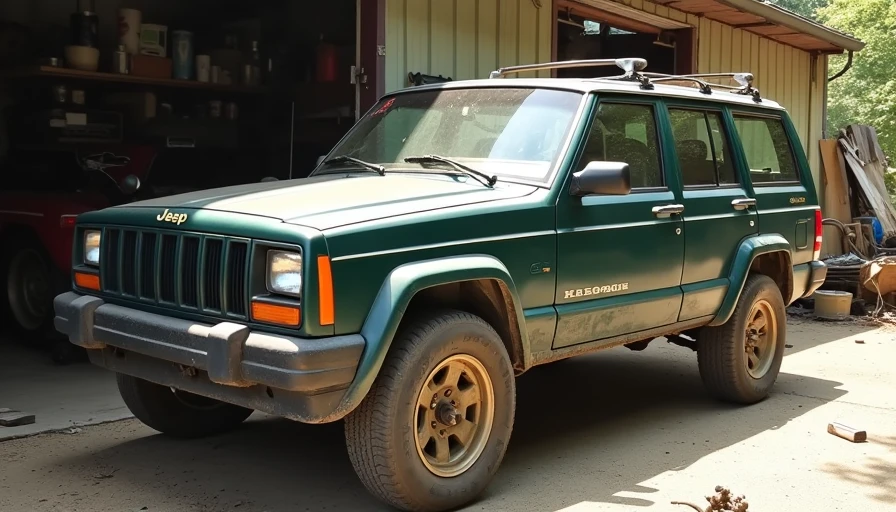
I bought my 1998 Jeep Cherokee XJ the same way a lot of owners buy software. It looked solid. The seller said it was reliable. I needed something that could handle real work. I paid the money, drove it home, and only later discovered which parts were going to keep me in the garage on weekends.
The Jeep is still with me. It has also become the clearest analogy I have for how small-business owners should choose tools.
The First Mistake: Buying the Story Instead of the Job
The seller talked about the legendary XJ platform, the aftermarket support, and how these Jeeps last forever. All of that can be true. None of it told me whether this Jeep would start on a cold morning or whether the cooling system was one summer away from leaving me on the side of the road.
Software demos work the same way. The sales page talks about transformation, seamless workflows, and AI that “just works.” The only question that matters is narrower: does this tool reliably solve the specific problem I have, in the conditions I actually operate under?
If the answer is fuzzy, keep looking.
What the Jeep Forced Me to Learn
Reliability beats features
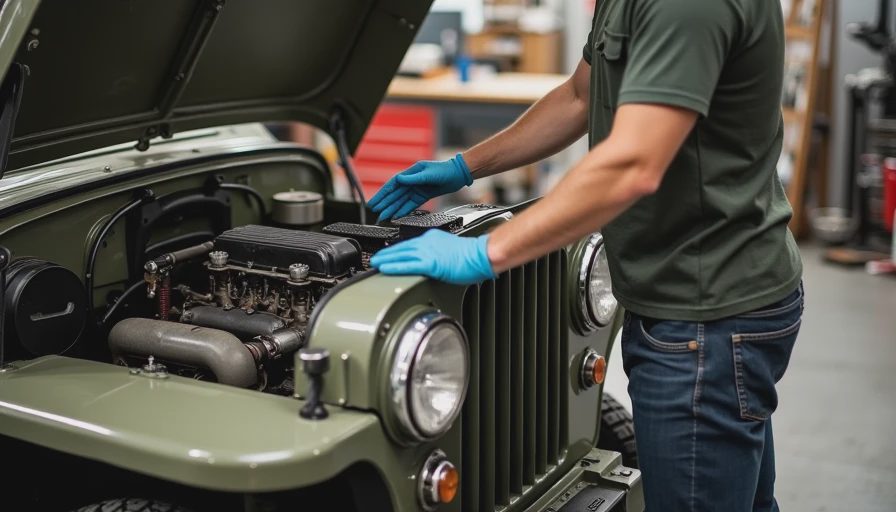
My XJ does not have a touchscreen, lane-keep assist, or a camera that parks itself. It has a simple engine, a solid axle, and parts I can still find. When something breaks, I can usually fix it with basic tools and a Saturday morning.
The same standard applies to business software. A tool with fewer features that works every time is worth more than a platform full of options that needs constant babysitting. If your office manager has to watch it, restart it, or correct it daily, the extra features are not free.
Know the real operating cost
The purchase price of the Jeep was only the beginning. Tires, brakes, a radiator, a fuel pump, and the occasional afternoon under the hood all belong in the true cost. I started writing those expenses down. The number changed how I thought about every future modification.
Do the same with software. Add the subscription, the setup hours, the training time, and the ongoing cleanup when the output is wrong. A $99 tool that costs you four hours a month is not a $99 tool.
Fix the leak before you add accessories
I once spent money on a suspension upgrade while the cooling system was still marginal. The Jeep rode better on the trail and still overheated on the highway. Priority matters.
In the business the equivalent is buying a sophisticated AI platform while leads still sit unanswered for hours or estimates still go out late. Solve the expensive, obvious problem first. The fancy additions can wait.
A Simple Test Before You Buy Any Tool
What exact job must this tool perform every week?
What happens if it fails or needs constant correction?
What is the full monthly cost once time is included?
How will I know, in thirty days, whether it is earning its keep?
If you cannot answer those four questions clearly, do not buy it yet.

What Stayed With Me
The Jeep is not the newest or the most comfortable vehicle I have owned. It is the one I understand. I know what it costs to keep it running. I know which problems are worth fixing and which ones are just part of the machine. That knowledge is worth more than any brochure.
Business software deserves the same treatment. Buy the tool that does the necessary job reliably. Pay the real operating cost with open eyes. Fix the serious leaks before you start adding accessories.
You don’t need the fanciest tool. You need the right fix.
The next time a software demo starts sounding like a sales brochure, picture the Jeep. Then ask the quieter questions. The answers are usually obvious once the story stops.